

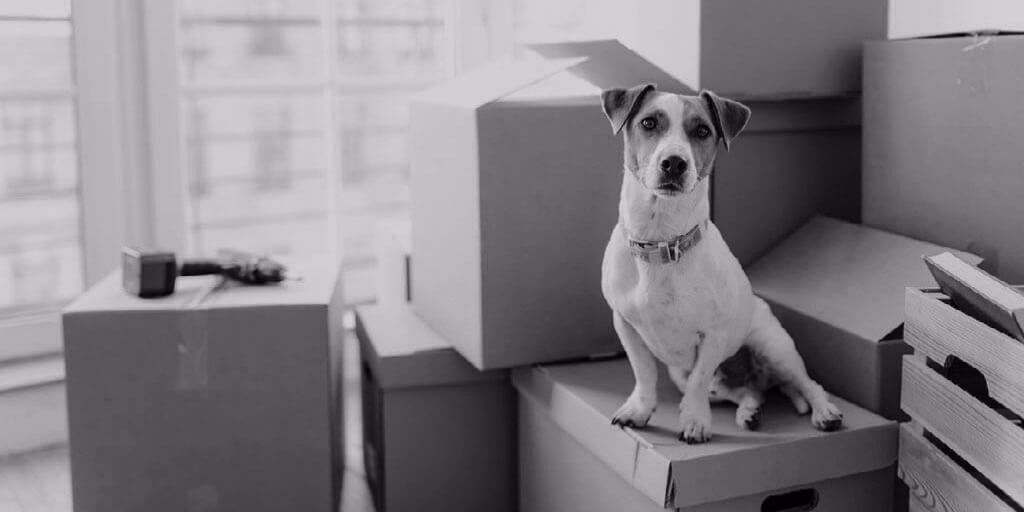
Moving house can leave your hands full. You need to plan, pack, get the movers in, and much more. If pets are a part of your household, you'll only have more to do. Even worse, it can stress your pets out when you fail to handle a move the right way for them. What follows are five mistakes that people often make when they move with pets, and tips on what you can do to avoid them.
Letting your pets stay around on moving day
Pets, both dogs and cats, can become anxious when they see a bunch of strangers come into their home, pack everything up and take it out. It can help to get your pets to stay somewhere else on the day. It could be with a friend, or at a kennel. Getting them to stay there a few days could make sense. You could unpack and set things up in the new house, and only bring the pets in when everything is ready.
If you have a cat or two, all you need to do is to keep them away from the activity. Putting them in a quiet room in the new house or the old house can help. It would be a good idea to lock the door, as well, to make sure that no one opens it and allows the cats to escape.
Washing your pets' belongings before you move
The toys, food bowls, beds, and blankets that your pets use, carry the scent of their old home. Bringing them just the way they are to the new home can help you carry some of that comforting scent over. Washing everything before the move, or once you arrive at the new house, can remove the familiar scent. When you do this, you take away an important way that your pets have to settle in the new house. It's a good idea to not wash your pets' things until a few days after they have settled in.
Neglecting to keep an eye on your pets in the new home
You won't be fully aware of all the different ways that your pets may find escape routes out of the new house until you've been there for a while. For example, if your new home has a wall or fence, your pets may be able to jump over it, even if it seems too high to allow it. It's important to keep a close eye on your pet for a few days, to make sure that there are no unexpected escapes.
An extra tip: If your pet is a dog, and he is anxious in the new house, you may find that he barks more than usual. To make sure that this doesn't annoy the neighbors, it would be a good idea to go say hello to them, with your dog in tow. You can explain to them that your dog isn't usually that loud.
Changing your pets' arrangements around too much
Cats tend to be very territorial. They can become anxious when everything changes about their setup. If you notice that your cat hides away a lot in the new house, or is very vocal, you can take the hint that your pet is uncomfortable in his new surroundings. It could help to set up your cat's favorite things in a quiet part of the house for a few days, to help him get used to the place.
Dogs can get anxious, as well. Arranging your dog's bed, blanket, toys, and bowl exactly as they were in the old house can put him at ease.
Putting your pets on a new routine
Both cats and dogs thrive on the familiarity of their routines. Even when you change their home to a new place, it can be a source of considerable comfort to them if you give them their meals, their playtime, and their walks, exactly at the times that you did before.
Finally, before you move, you need to make sure that you have recent pictures of your pets, their microchip numbers and their medical records, all in an accessible place -- just in case your pets get lost. It always makes sense to be prepared.