

It's important to keep your eyes peeled for charity scams, where both genuine and fraudulent groups may engage in misleading activities with the intention of taking more than giving. So, stay alert and be wary of such unscrupulous practices!
Every year, Americans donate over $400 billion to charity, and unfortunately, fraudsters are looking to exploit our kindness and empathy. That's why it's crucial to be aware of the red flags for charity scams, ways to steer clear of them, and tips to ensure that your donations are making a positive impact. Let's dive into these important topics together.
How Fake Charity Scams Work
Fake charity scams are created to appear genuine and appeal to your emotions. The truth is, very little or even none of your hard-earned cash will go towards supporting a good cause. For instance, scammers might establish a fake charity to take advantage of a current event, such as a public health crisis or natural disaster, to gain sympathy and funding. Alternatively, they may set up a bogus charity with a name that sounds similar to a reputable one or pretend to be affiliated with a well-known organization, counting on you not to double-check the details.
Bogus charity solicitations can come in many forms. You might get a phone call or email requesting a donation, with the caller thanking you for a contribution that you don't recall making. This is a tactic used to catch you off guard and make you more receptive to the scammer's appeal. Social media and crowdfunding platforms use similar techniques to seem legitimate. They'll post pictures and stories that look genuine and tug at your heartstrings, all designed to get you to open your wallet and hand over your money to the scammers.
Fake charity scams can be very convincing and tug at your emotions, making them appear legitimate when in fact they are not.
Protect Yourself
Here are some practical tips to help you avoid falling for scams when making charitable donations:
- Choose a payment method that can be tracked easily, such as a check or credit card, when making donations.
- Avoid donating cash, gift cards, or wire transfers.
- Be wary of unsolicited charity emails, as they could be phishing scams aimed at stealing your financial information. Do not click on any links and delete the message.
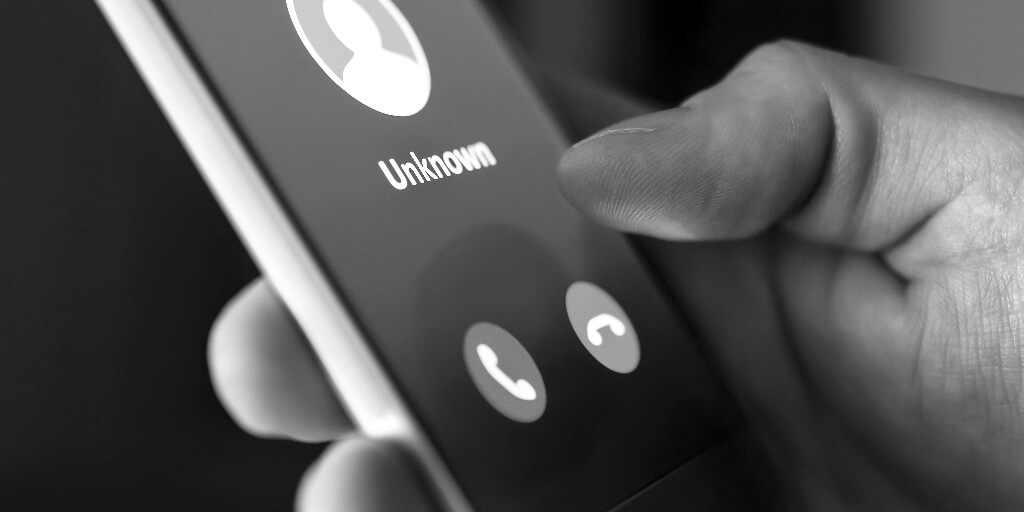
- Be cautious of phone calls that appear to be from a charity, as scammers use a technique called spoofing to make their caller ID look like that of a legitimate organization. If the call seems suspicious, hang up.
- Be cautious of requests for personal or financial information, as a genuine charity won't ask for it.
- Don't feel pressured into making a donation immediately. A real charity will understand if you need time to decide and won't make you feel guilty or selfish for delaying a contribution.
Tips for Ensuring Your Donation Goes to a Worthy Cause
Here are some simple steps you can take to ensure that your donation goes to a legitimate charity:
- Before making a donation, do some research on the charity. Just because a website looks professional, it doesn't mean the organization is trustworthy. Check out the charity’s rating on websites like Give.org, CharityNavigator.org, or CharityWatch.org.
- If you're unsure about which charity to donate to, you can do an online search for a cause you believe in along with phrases like "best charity" or "highly rated charity."
- Avoid charities that are vague about how your donation will be used or falsely claim that your contribution is tax-deductible.
- You can also search for tax-exempt organizations on the IRS website at IRS.gov. However, not all organizations are eligible for tax-deductible donations.
Actions to Take If You Fall Victim to Charity Fraud
If you suspect that you've been scammed after making a donation, here are some actions you can take to protect yourself:
- Review your bank and credit card statements to ensure that the charges for your donations are correct, and that you're not being charged automatically every month.
- If you see any unauthorized charges, contact your financial institution immediately.
- Report any suspicious charities to the Federal Trade Commission through their website at ReportFraud.FTC.gov, or contact your state's consumer protection office. You can also get in touch with your local police department.
There are many great organizations that rely on our financial support to carry out their important work, like feeding the hungry, helping veterans, or finding cures for diseases. Make sure you choose your charity wisely, so you can be confident that your money is truly making a difference. And, if you want to learn more about safeguarding your finances, consider talking to your financial institution today.
|
Giving Wisely When it comes to charitable giving, you want to make sure your money is making the biggest impact possible. Once you’ve found a reputable charity, head to their website to learn more about how your donation will be used. This can help you see exactly how much of your donation will go towards the charity’s mission versus overhead expenses.
|
