

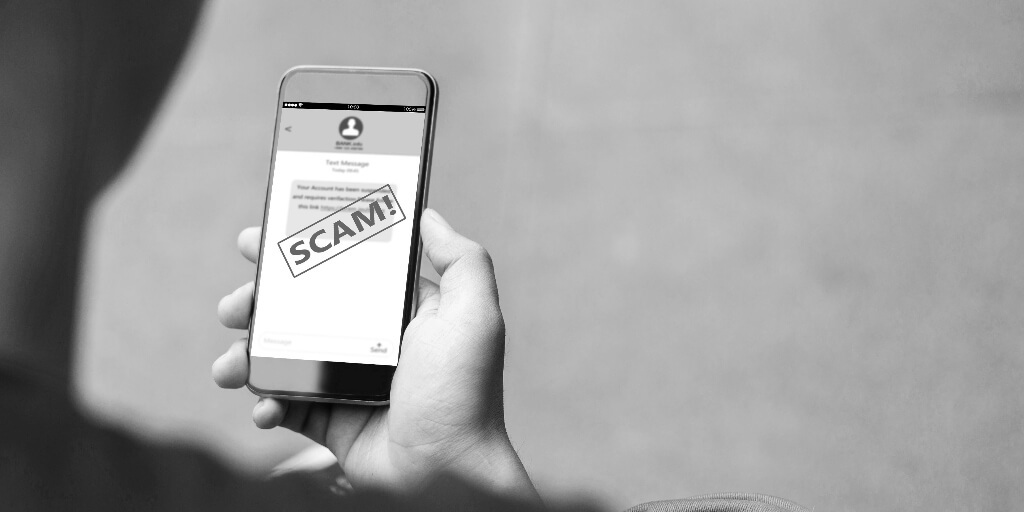
A spoofing scam happens when scammers pretend to be a company you know or someone from your area to trick you into giving them your money or personal info. This article explains common spoofing scams, what signs to look for, and how to keep yourself safe.
The scam might have a quirky name, but the consequences are no joke. Scammers using online or phone spoofing tricks try to make you think they're from a real, trustworthy source. Don't be fooled! Here's what to be cautious of and how to keep yourself safe.
Email and Website Spoofing
Scammers love using email and website spoofing to trick you. They're a big part of phishing scams, where bad actors pretend to be a familiar business or group to gain your trust. You might get an email that looks legit, complete with a logo and info you recognize. But be careful and inspect it closely. Signs of email spoofing include impersonal language, a slight change in the sender's website address, and typos.
Despite its amusing name, the consequences of this scam can be quite significant.
Caller ID Spoofing
Another trick scammers use is caller ID spoofing, and you might've already experienced it. These fraudsters can make ANY name or number show up on YOUR caller ID to make you more likely to pick up.
They can make it seem like they're local by using your town's area code or the first part of your own phone number, even if they're far away. They might pretend to be a government agency, a charity like the American Red Cross, or a company you know. One sneaky version involves a fake Social Security Administration call, where they claim there's a computer issue and ask for your Social Security number.
Watch out for robocalls, shady business deals, requests for personal info, or anyone pushing you to give out details or send money.
How to Protect Yourself
To steer clear of spoofing scams, follow these steps:
- Be cautious when emails ask for personal or financial info, even if they seem from a familiar business.
- Avoid replying, opening attachments, clicking links, or logging in to linked websites, as they might be fake sites to steal your info.
- Don't solely trust your caller ID. Confirm requests by contacting the organization through their official website or listed phone number.
- Quickly delete any suspicious emails.
- Don't hesitate to hang up the phone.
- Only share personal or payment details if you initiated the conversation.
Remember, legit businesses, like your bank, will NEVER request your account info or pressure you to act urgently.
What to Do If You’ve Been the Victim of a Scam
If you've fallen victim to a scam, follow these steps:
- Contact your bank immediately if your accounts were compromised.
- Change your online account passwords and add two-factor authentication for added security.
- Check your credit report at AnnualCreditReport.com within two to six weeks for signs of identity theft, like unfamiliar loan applications. If you see any fraud, reach out to the major credit reporting agencies: TransUnion, Equifax, and Experian, for assistance in safeguarding your information.
- Report the scam to the U.S. Office of the Inspector General at OIG.SSA.gov/report.
Taking these actions can help protect your finances and personal information.
Stay vigilant against spoofing scams and be aware of the tactics criminals employ to deceive you. For more guidance on safeguarding your information, reach out to your bank today. Your security matters!
|
Beware of Scam Calls! It may come as a surprise, but roughly 50% of cell phone calls are scams. Your most effective defense is to avoid picking up calls from unfamiliar numbers. If you happen to answer a call from a scammer, don't hesitate to disconnect. |
