

If you have just moved into a new home with an equally new lawn, it is important to get the landscape off to the best possible start. Newly-seeded lawns require different care from established ones, and the steps you take now will pay off in a lusher, thicker and greener lawn down the line.
Proper watering is one of the most important things you can do for your new lawn. That new grass seed will need plenty of moisture to grow deep roots and establish itself. Now is not the time to skimp on water. You will want to water your newly-seeded lawn at least twice a day -- more if the weather is hot and dry.
It is best to water early in the morning and late in the evening, when the temperatures are cooler and evaporation is at its lowest point. Continue this twice-daily watering regimen until you have mowed the lawn at least once or twice. After that you can water the lawn as you would an established landscape.
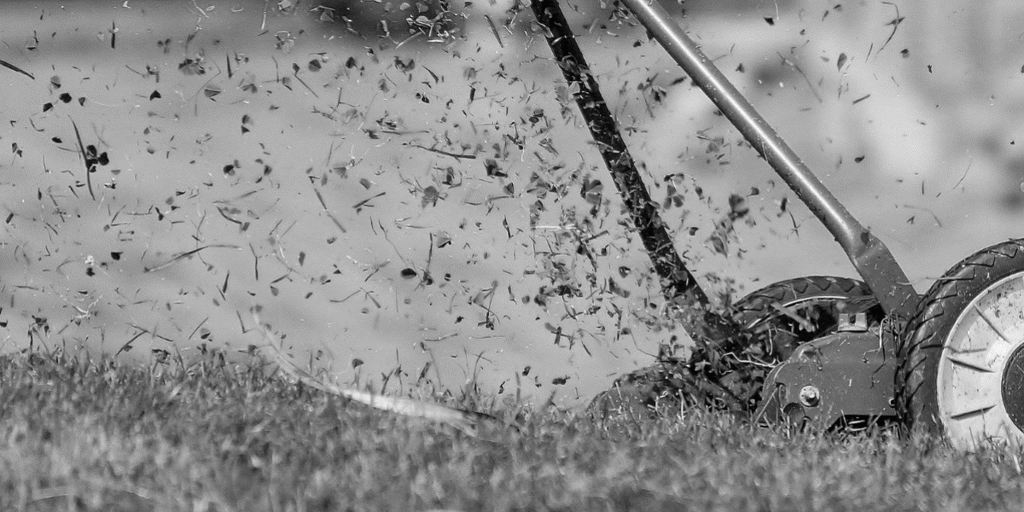
A newly-seeded lawn requires a careful approach to mowing, and mowing too much or too soon could interfere with the establishment of the lush, thick grass you want so much. If you have recently filled in bare spots in an existing lawn, do not mow it until the new grass stands at least 3 to 3-1/2 inches tall.
When you do mow your lawn, make sure the mower blades are as sharp as possible, and wait until the grass is completely dry. It is also important to avoid making the grass too short, so set your mower height accordingly.
You will want to feed your new lawn well to make it grow thick and lush. Choose a good starter fertilizer designed for new lawns, and follow all the instructions on the package. The starter fertilizer will give the lawn the food it needs to establish its root system and grow thick and strong.
Hopefully the person who started the lawn gave it a good feeding when the grass was first laid down. If so, you will want to feed the lawn again between four and weeks later. If you know that the lawn was not fed initially, you will want to apply the starter fertilizer as soon as possible.
After the initial feeding has been completed, you should apply additional lawn food every 6-8 weeks thereafter. These repeat feedings will give the grass the nutrients it needs to stop weeds from taking hold and make sure the lawn can survive excessive heat, periods of drought and other stresses.
If weeds do pop up in your newly-seeded lawn, you will want to apply a good crabgrass preventer or other weed control product. It is best to wait until you have mowed your new lawn at least 4 times before applying any kind of weed treatment. This will give the grass time to establish itself and develop an extensive root system.
Getting a new lawn off to a great start will take some work -- and lots of time -- but the results will be worth waiting for. Whether you are moving into a new development or reseeding an established lawn that has seen better days, taking the right steps from the start will make a visible difference later.