

Maintaining that lush green lawn and manicured landscape look with weekly watering, strong chemical fertilizers, and power tools and landscaping equipment may produce the look you want, but it's not the best use of energy. It's wasteful and bad for the environment, along with other practices such as dosing weeds with herbicides and killing off garden pests with pesticides. All those chemicals and equipment cost more than just money when they contaminate the soil, water, and air where they are used. Start saving money, energy, and the environment with eco-friendly landscaping and gardening practices.
Why Eco-Friendly Landscaping?
Why practice eco-friendly landscaping instead of faster, more convenient methods with the latest equipment and chemicals? Traditional landscaping practices harm the environment in many different ways. The Environmental Protection Agency reports that gas-powered lawn and landscaping equipment like lawnmowers, leaf blowers, edgers, and trimmers contribute to urban air and noise pollution. Yard waste such as grass clippings, leaves, and tree and shrub trimmings makes up almost a quarter of the solid waste in landfills. That chemically-enhanced, overwatered, and well-manicured lawn isn't as good at absorbing water as woodland meadows and fields and contributes to urban flooding.
Some of the main benefits of eco-friendly landscaping are reduced maintenance and the time and money saved with environmentally friendly landscaping practices. Simple changes such as reducing turf areas and installing native plants instead of exotic ornamentals, reducing and eliminating chemical herbicides and pesticides, and conserving soil and water help to protect the environment while designing an attractive landscape. Reduce or eliminate the use of power equipment for landscape maintenance with manual tools and soil building and water conserving methods.¹
What are Eco-Friendly Landscaping Practices?
Eco-friendly landscaping practices that benefit the environment also benefit your bank account. Eco-friendly landscaping techniques to green your landscape include activities such as using mulch and drought-tolerant plants and shrubs to conserve water and composting all yard waste and using it to build soil instead of relying on chemical fertilizers.
Other eco-friendly landscaping activities include:
- Use mulch to suppress weeds instead of dowsing them with chemicals.
- Reduce lawn size with natural plant species planted in large swaths in corners and around foundations.
- Avoid exotic display specimens such as roses and non-native trees and shrubs.
- Reduce your use of gas-powered lawn and garden equipment that pollutes the air and burns fossil fuels.
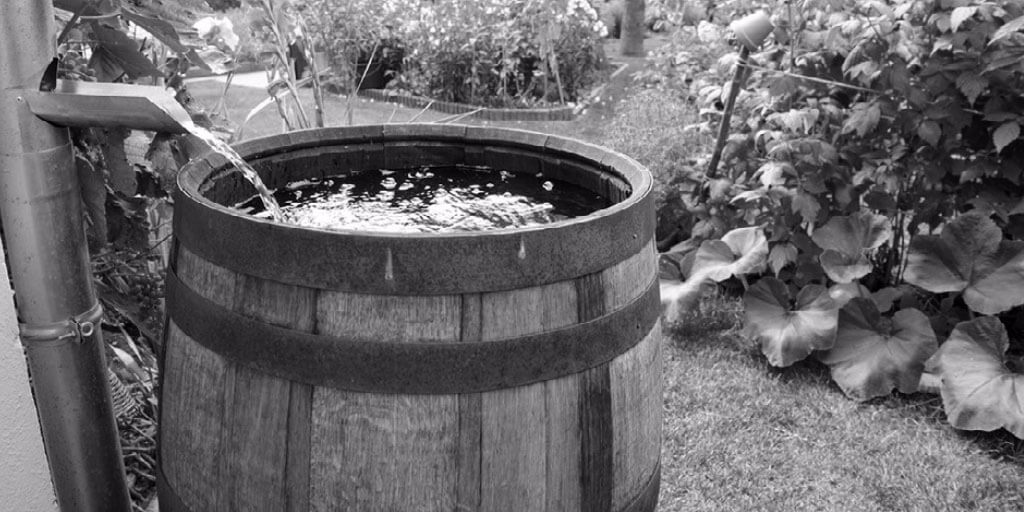
- Use rain barrels to collect water for vegetable and herb gardens to lower your water bills and take advantage of a free natural resource.²
Save Water Save Money
Garden and landscape water conservation practices save water and money by reducing or avoiding spikes in summer water use. Use native and drought-tolerant plants in your landscape and garden plans. Use mulch at the base of all plants to conserve moisture and extend the time between watering. Add compost to the soil to improve its absorbency and feed plants. Use EPA-recommended water-smart landscaping methods to control seasonal increases in landscape watering:
- Smart technology like WaterSense irrigation controllers let you know when to water and help you avoid wasting water
- By paying attention to the weather, you only need to water outside when you absolutely have to between rainfalls.
- Don't water during the heat of the day.
- Plant wisely and group plants with similar water needs together. Water at plant bases instead of broadcasting water sprays.
- Use a handheld moisture meter to check soil moisture before watering.³
Sources
¹ EPA- Beneficial Landscaping
² Green Your Home All-In-One for Dummies; Yvonne Jefferey and Liz Barclay
³ EPA WaterSense