

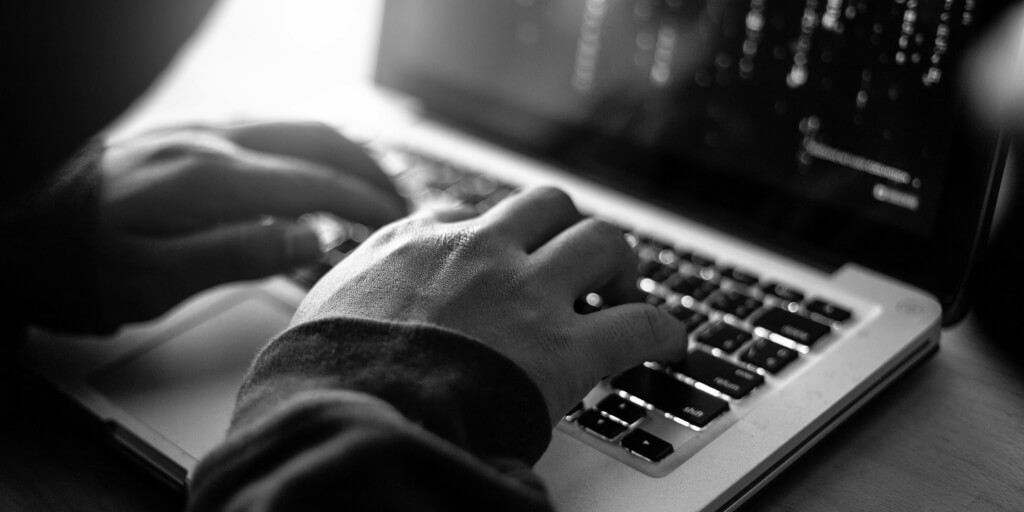
Identity thieves are a serious threat! Discover how to protect your personal information.
Imagine this: You're enjoying a latte at your local café, scrolling through your phone. Little do you know, a nearby cybercriminal is silently accessing your personal data, ready to steal your identity. In our increasingly digital world, identity theft is a real concern. But don't worry! This article will equip you with practical strategies to protect your online information. We'll cover everything from mindful sharing practices to creating robust passwords, giving you the tools to outsmart cyber threats and secure your digital identity.
Adopting these good habits can significantly enhance the security of your digital information.
What Is Digital Identity Theft?
Digital identity theft occurs when someone gains unauthorized access to your computer, phone, or other electronic device and steals personal information—such as passwords, credit card details, or account numbers—without your knowledge or permission.
What Can Happen?
Identity thieves can drain your accounts, rack up credit card debt, exhaust your health insurance, or even land you in legal trouble.
Protect Your Digital Information
Preventing digital identity theft starts with proactive habits that strengthen your online security. Follow these tips to safeguard your personal information:
- Be cautious with social media: Avoid oversharing personal details like your full name, address, or phone number that could help criminals guess your password hints or security questions.
- Use secure websites: Ensure the websites you enter personal information on are secure by checking for "https://" and a lock icon in the URL. If in doubt, avoid entering your data.
- Install security software: Use antivirus, anti-malware, and firewall software on your devices. Regularly update your system to stay protected with the latest security patches.
- Beware of phishing: Be vigilant with emails. Don't click on links or open files from unknown sources, and never share personal information via email.
- Stay safe on Wi-Fi: Public Wi-Fi networks can be vulnerable. Use your home's password-protected Wi-Fi for secure internet access.
- Dispose of old devices securely: Wipe or overwrite hard drives on old computers and ensure mobile devices are cleared of all personal data before disposal.
Strengthen Your Passwords
Strong, unique passwords are crucial for digital security. Here are some tips:
- Use at least 8 characters, preferably 12 or more
- Combine numbers, symbols, and upper/lowercase letters
- Avoid easily guessable information
- Create unique passwords for each account
- Change passwords regularly
To create memorable yet secure passwords, consider using song lyrics or quotes:
- Mix upper and lowercase letters
- Include numbers and special characters
- Use acronyms or abbreviations
Example: "May the Force be with you!" becomes "MAytHE4ceBw/U!"
Suspect Identity Theft? Take Action.
If you believe your personal information has been stolen, act quickly. Visit IdentityTheft.gov to report the theft and start the recovery process. If you have questions or need assistance, contact your financial institution for help.
| Make a note of the dates you typically receive your bills—such as for utilities, loans, mortgages, and credit cards. If a bill doesn't arrive on time, look into the issue immediately. |
